Some YouTube creators just seem to have it easy. They upload videos and the next thing it’s trending and getting lots of engagement even for a relatively small channel. Most times it is not because your videos are poor, it just doesn’t reach the target audience. In simpler terms, your SEO is weak.
SEO on YouTube? Yes, YouTube SEO is almost like the more common ones on other search engines and affects your videos’ reach and who gets to see them.
If you want your YouTube videos to rank and your effort to pay off, you have to pay attention to YouTube SEO.
Whether you’re just starting as a YouTuber or already have a channel, mastering SEO on the platform may be the difference between growing your channel, and remaining stagnant with a low view count despite making quality videos.
While making the perfect video edits is vital for your channel, YouTube SEO ensures this video gets to be seen by the target audience. And this guide will show you everything about it. Including strategies that’ll help you rank your videos and increase visibility.
Want to take your videos to the next level?
What is YouTube SEO?
YouTube SEO is a process of enhancing your videos so they get to the right audience. It involves some adjustment that makes the videos show up around the target audience. Whether through search, suggestions or on their homepage.
While this is the simple definition, YouTube SEO is now beyond just this in 2025. It is now a holistic approach that aligns your video and content with what viewers want and what the platform’s algorithm rewards.
YouTube SEO in 2025 is more than just tweaking titles or stuffing keywords. It’s about understanding how to make your videos visible and irresistible in a crowded digital space.
The platform focuses on three core ideas: relevance, engagement, and context. And using all three to judge your video and where to place them irrespective of your YouTube niche.
Why YouTube SEO is Important

With YouTube’s algorithm changes, the massive competition from other creators, and the dwindling attention span of viewers, getting your videos to rank has become more challenging.
The platform sees over 500 hours of videos uploaded every minute all looking to rank. If your YouTube video must rank and get the views it deserves, SEO must be a major factor. And here are some reasons why YouTube SEO is vital for your success on the platform:
Increased Discoverability:
Your videos get discovered by your audience with the right SEO, increasing watchtime and engagement. Paying attention to YouTube SEO makes it possible for your video to come up when viewers search for the keywords.
Higher Engagement:
YouTube algorithm will show your SEO optimized video to more viewers as long as it aligns with viewer intent. With the best way of showing this being a proper SEO optimization which will in turn boost watch time, likes, comments, and shares.
Competitive Edge:
With millions of creators, SEO helps your videos stand out in a crowded platform, especially in trending or niche categories. Since many creators ignore SEO or are outrightly doing it wrong, you can quickly jump ahead of the queue and become the go to channel in your niche with proper SEO.
Algorithm Favorability:
YouTube’s algorithm rewards videos with strong SEO signals like click-through rates, and retention, promoting them in suggested videos and homepages. Make videos that your audience love and get extra rewards from the system in the form of more exposure.
Monetization Opportunities:
SEO gives you the chance to make money from your channel on YouTube. Higher views and engagement from SEO increase ad revenue, sponsorships, and affiliate marketing potential for creators.
Global Reach:
YouTube has over 2.5 billion monthly active users in 2025 and getting your SEO right can expose your video to this audience. You can easily go global beyond your current location and even audience by getting that SEO right.
Long-Term Visibility:
The combination of an evergreen content with a strong SEO will continue to drive traffic over time, creating sustainable viewership. This is beyond the quick virality but focuses on longer term growth.
How YouTube’s Algorithm Works?

Before you can actually implement the perfect SEO strategy for your video, you have to understand what the whole ecosystem is currently. Especially as the YouTube algorithm keeps getting updates to ensure only the best get attention and close loopholes.
Understanding YouTube’s algorithm isn’t rocket science. At its core, YouTube wants to match viewers with videos they’ll love. The better it does this job, the longer people stay on the platform. Let’s break down what really matters to the algorithm in 2025.
Key Ranking Signals
YouTube’s algorithm in 2025 is smarter and more complex than ever. It prioritizes videos based on a mix of signals that reflect viewer behavior and content quality. Here’s a snapshot of the key factors:
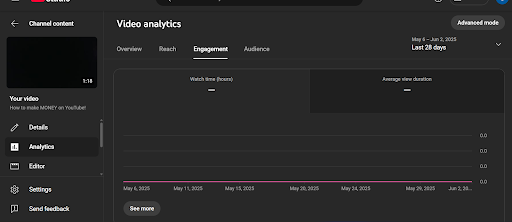
- Watch Time: How long viewers stay glued to your video matters more than ever. The algorithm tracks not just total watch time but also how consistently viewers stick around.
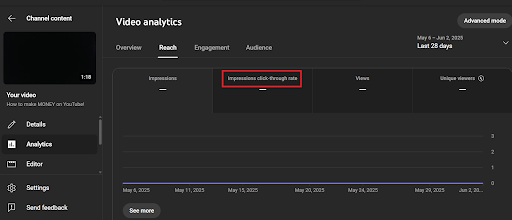
- Click-Through Rate (CTR): This measures how often people click your video when they see it. A compelling thumbnail and title can make or break your CTR and that’s why the top creators stick to using professional YouTube thumbnail designing services.
- Session Time: YouTube values videos that keep viewers on the platform longer. So if your video leads to a binge-watching session, it gets a thumbs up and a boost as reward.
- Viewer Sentiment: This is a recent algorithm update where YouTube’s AI analyzes comments and engagement to gauge how viewers feel about your content. Positive reactions like heartfelt comments or shares weigh heavily. Generic comments no longer mean much, so real engagement is rewarded rather than bought comments.
- Topic Relevance: In a bid to ensure the relevance of the topic to the audience YouTube uses AI to categorize videos into topics. Videos that fit trending or popular topics rank higher. It is now harder to trick the system by using the wrong hashtags and clickbaity titles.
These factors show that YouTube now values quality and viewer satisfaction over gaming the system with tricks.
Why 2025 Is Different from Previous Years
The YouTube landscape has shifted dramatically, and strategies that worked even a year ago are losing steam. The system has to keep making updates to stay with the trend with 2025 seeing a lot of shifts especially with AI and a focus on relevance.
Here’s why 2025 demands a fresh approach:
- AI-Powered Discovery: YouTube’s algorithm now leans heavily on artificial intelligence to understand video content and viewer preferences. The aim is to better understand your video so it can categorize the videos with even more efficiency. It can analyze visuals, audio, and even auto-generated captions to decide what your video is about. This means creators must optimize for machines as much as for humans.
- Rise of Shorts: YouTube started Shorts in 2020 but it has since become a sensation among viewers and now getting over 70 billion views daily. And YouTube is doubling down on what has proven to be a success. Short-form videos are no longer a side feature. They’re a primary discovery tool. Optimizing Shorts for quick engagement can boost your entire channel’s visibility.
- Global and Multilingual Audiences: With YouTube’s global reach expanding, videos with multilingual captions or tags perform better. The algorithm favors content that appeals to diverse viewers. Top creators like the Kids Diana Show have dubbed versions for other languages so they can maximize YouTube’s reach.
- Engagement Over Keywords: Stuffing titles with keywords is outdated. The algorithm now prioritizes how viewers interact with your video over how many search terms you cram in. With the help of AI, the algorithm can now access comments and differentiate between “cool” and “I tried the second option and it worked.”
- Viewer-Centric Metrics: YouTube tracks subtle signals like rewatches, playlist adds, and comment quality. These show the algorithm your content resonates deeply so it recommends videos that viewers want to see.
Why Generic Advice Won’t Work Anymore
Many older YouTube SEO guides push tactics like overloading descriptions with keywords or chasing viral trends.
These approaches are fading fast. For one, keyword stuffing confuses YouTube’s AI, which now values clarity and context. Chasing trends without a strategy often leads to short-lived spikes rather than lasting growth.
Generic advice also ignores 2025’s focus on personalized feeds, where suggested videos drive more views than search results.
Instead, creators need to think like strategists. You must analyze your audience’s behavior, test what works, and adapt to platform updates. And you can find most of this data from analytics in YouTube Studio. This kind of data-driven insight is what sets successful creators apart.
How to Rank YouTube Videos in 2025
Ranking your YouTube videos in 2025 requires a clear plan that starts with ideation and ends with strategic uploading. Here, you’ll see a step-by-step process to boost your video’s visibility, focusing on practical tactics that align with YouTube’s evolving algorithm.
Step 1: Find High-Potential Keywords
Before you even start uploading content and hoping for views, you have to get your keywords right. This is the bedrock of any successful YouTube SEO campaign as great videos start with great keywords.
In 2025, YouTube’s algorithm prioritizes videos that match viewer intent, so keyword research is your foundation. The goal is to find terms that are relevant, have decent search volume, and aren’t too competitive.
How to Do It
- Use YouTube’s Search Suggest
YouTube has its in-built research tool in the form of the search bar. Often overlooked but its autosuggest feature is one of the best ways to find new keywords to target.
Open YouTube and type a broad term related to your niche in the search bar. For example, if you run a fitness channel, type “weight loss.”
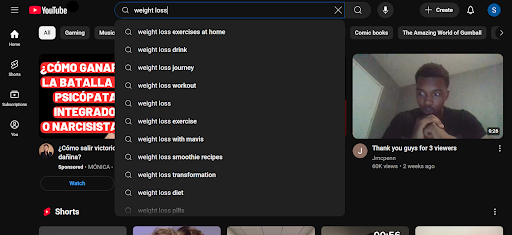
YouTube will suggest phrases like “weight loss exercises at home” or “weight loss drink.” These are evergreen or trending keywords viewers are actively searching for.
- Leverage Google Trends
Another sister site you can utilize is Google Trends which has a dedicated YouTube analysis section to help you find trends to hope on.
Go to Google Trends and enter your niche topic, like “yoga.” Filter for YouTube search data and set the timeframe to the past 12 months.
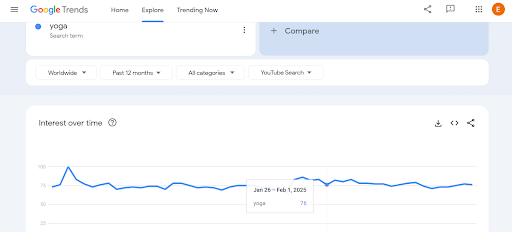
Look at the “Interest Over Time” graph to spot seasonal peaks. For instance, yoga-related searches might spike in January due to New Year’s resolutions. Create a video around “yoga for weight loss 2025” to capitalize on this trend.
- Use Tools Like TubeBuddy or vidIQ
Other times, solid research tools like Tubebuddy and VidIQ are enough for keyword research needed for your video.
Install TubeBuddy’s browser extension and use its Keyword Explorer.
Enter a term like “home workouts.” The tool will show a score (1-100) for search volume and competition. Aim for keywords with a score of 40-60, indicating decent demand but manageable competition. For example, “10-minute home workout for beginners” might score 50, making it a strong choice.
YouTube Analytics Check
After uploading, go to YouTube Studio > Analytics > Reach. Look at the “Traffic Source: YouTube Search” section to see which keywords drive views.

If your chosen keyword appears in the top search terms, your keyword choice is working. Otherwise you may need some adjustments.
Step 2: Craft a Video That Maximizes Engagement
YouTube SEO is all about making great videos that viewers truly want to watch and not about tricking the system. The recent algorithm changes have even made it extremely difficult and dangerous to try to trick the system.
This step focuses on making truly captivating videos that hook and hold attention. YouTube’s algorithm in 2025 heavily rewards videos that keep viewers watching and interacting. A high-quality, engaging video is critical to ranking well.
This is where most top creators bring in professional video editing help like Your Video Editor. So they can focus on creating content while all the edits are crafted to the highest standards.
How to Do It
- Hook in the First 15 Seconds
Start your video with a bold statement or question. A tech channel might open with a question like “Want to know the one gadget you’ll wish you bought in 2025?” This grabs attention and reduces drop-off rates.
- Structure for Retention
Use a storytelling arc to introduce a problem, offer a solution, and end with a call-to-action.
- Add Interactive Elements
Include polls or on-screen prompts. Depending on the content, you can include more elements to engage viewers and keep them longer on your page. The algorithm loves when your videos make viewers stay on YouTube.
- Optimize Video Length
Aim for above 8 minutes for long-form content, as 2024 data shows this figure maximizes watch time without losing viewers. For Shorts, keep it under 60 seconds with a clear hook.
YouTube Analytics Check
In YouTube Studio > Analytics > Engagement, check the “Audience Retention” graph. Look for the percentage of viewers watching past the 30-second mark and the average view duration.
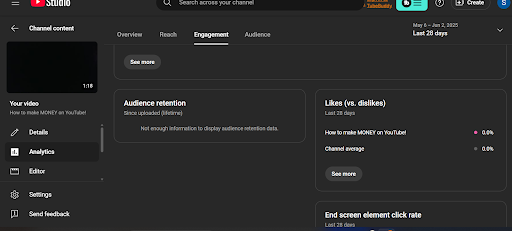
If retention drops early, tweak your hook. For example, a 70% retention rate at 30 seconds indicates a strong start.
Step 3: Optimize Metadata for Discoverability
Get your SEO on track by optimizing the metadata of your carefully edited videos. This is where you fine tune the details for its upload.
Start by optimizing our video’s title, description, tags, and captions as they act as signals to YouTube’s AI, helping it understand and rank your content. In 2025, metadata must be clear, relevant, and viewer-focused.
How to Do It
- Write a Compelling Title
Keep titles 5-8 words long and include your keyword at the start. For example, “Vegan Dinner Ideas: Easy Recipes for 2025” is specific and clickable without being spammy.
- Craft a Detailed Description
Write 150-200 words, including your keyword naturally 2-3 times, yes, those keywords you discovered in the first step. It’s time to include them naturally without stuffing them and risking issues.
Add timestamps for key sections to improve viewer experience. While including the link to related content, like a blog post or playlist.
- Use Targeted Tags
Add 5-10 tags, including your main keyword and related phrases.
- Upload Accurate Captions
Use an SRT file to add custom captions or edit YouTube’s auto-generated ones in YouTube Studio > Subtitles. Captions improve accessibility and help YouTube’s AI understand your content, boosting rankings for hearing-impaired viewers (20% of the global population, per WHO stats).
YouTube Analytics Check
Go to YouTube Studio > Analytics > Reach > Traffic Source: Suggested Videos. If your video appears in suggested feeds, your tags and description are working.
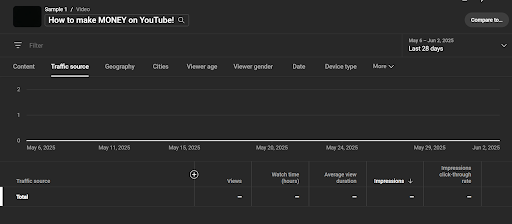
Check the “Search Terms” report to confirm your keyword is driving traffic.
Step 4: Promote Your Video for Initial Views
Now you’ve uploaded your video and the job is done right? Not really. You still have to promote it to get the initial views that the algorithm can then work on. Promotion is especially vital if your channel is still small.
YouTube needs views to evaluate your video’s quality, so promotion is key to kickstarting rankings. In 2025, strategic promotion drives targeted traffic and signals relevance.
How to Do It
- Embed in Blog Posts
If you have a blog, embed your video in a relevant post. You can easily drive attention from your blogs to the video and even improve its backlinks even on Google search engines. In 2024, Pianote boosted views by embedding a video in a high-traffic blog post on “online piano lessons.”
- Share on Social Media
Post a 15-second teaser clip on your social media pages with a link to your video. This is your opportunity to gain traffic from social media especially as they already know who you are.
- Create Playlists
Group 4-5 related videos into a playlist and add the playlist to your channel page. Playlists increase session time, as they auto-play related content, boosting rankings.
- Email Your Audience
Use a tool like AWeber to email subscribers when you upload a video telling them about it including interesting snippets so they are excited to see more. This drives immediate views from loyal fans.
YouTube Analytics Check
In YouTube Studio > Analytics > Reach > Traffic Source: External, check views from your blog or X. Look at “Playback Locations” to see playlist-driven views. A high percentage of external traffic up to 20% indicates successful promotion.
Step 5: Analyze and Iterate
You can make it even better even when results start to trickle in by ananlyzing the data and making changes.
Always have in mind that YouTube SEO is an ongoing process and there is room for improvement at all times. Use YouTube Analytics to track performance and refine your strategy for better rankings.
How to Do It
- Monitor Key Metrics
Focus on click-through rate (CTR), average view duration, and engagement (likes, comments, shares). A good CTR is 5-10%, and a 50%+ average view duration signals strong retention.
- Test and Tweak
If your CTR is low, experiment with new thumbnails using Canva. For example, test a thumbnail with a bright red background versus a blue one. Use YouTube Studio’s A/B testing feature to compare results.
- Check Audience Feedback
Read comments to understand viewer sentiment. If viewers ask for more “quick recipes,” create a follow-up video to boost engagement.
- Track Trends
Revisit Google Trends monthly to spot new keywords. For example, if “vegan meal prep” spikes in February 2025, plan a video to ride the wave.
YouTube Analytics Check
In YouTube Studio > Analytics > Overview, view the “Key Metrics” card for CTR, views, and watch time.
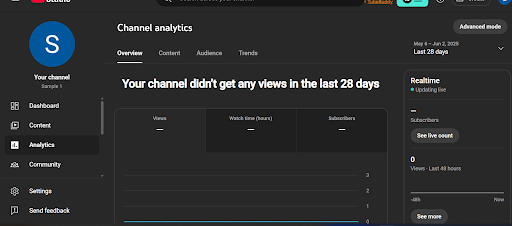
Use the “Compare” feature to track improvements after tweaks.
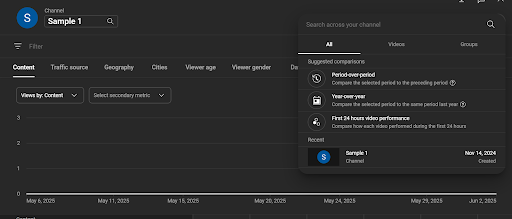
For example, a 10% increase in watch time after a new thumbnail confirms the change worked.
How to Assess Your SEO Readiness?
Making the necessary changes and adjustment to your SEO strategy using any of the listed tips can accelerate your growth on the platform.
However, most times, creators cannot immediately know if they are getting it right. Which is why we’ve put together this group of straightforward questions to answer. It’ll help you see how far off or how close you are to YouTube success through SEO.
- Do my videos keep viewers watching for at least 50% of their duration?
- Are my thumbnails and titles clickable without being misleading?
- Do I use playlists to encourage viewers to watch more?
- Am I tapping into Shorts to attract new audiences?
- Have I optimized captions and tags for global or niche viewers?
Conclusion
YouTube in 2025 is a dynamic landscape where smart SEO can transform your channel from overlooked to unmissable.
By understanding the algorithm’s focus on viewer engagement, leveraging predictive keywords, and crafting compelling content, you’ve got a roadmap to rank higher and connect deeply with your audience.
This isn’t about chasing quick wins but building a strategy that grows with the platform’s AI-driven evolution.
To ensure your SEO efforts shine, top creators turn to services like Your Video Editor, a professional video editing service that polishes content to perfection.
With expertly crafted visuals, seamless pacing, and attention-grabbing intros, Your Video Editor helps your videos hold viewers longer, boosting watch time and rankings. Their tailored edits align with 2025’s trends, like vibrant Shorts and emotionally resonant thumbnails, making your content irresistible.
Start small, optimize one video using these strategies, track its performance, and consider Your Video Editor to elevate your production quality.